Train on Your Schedule
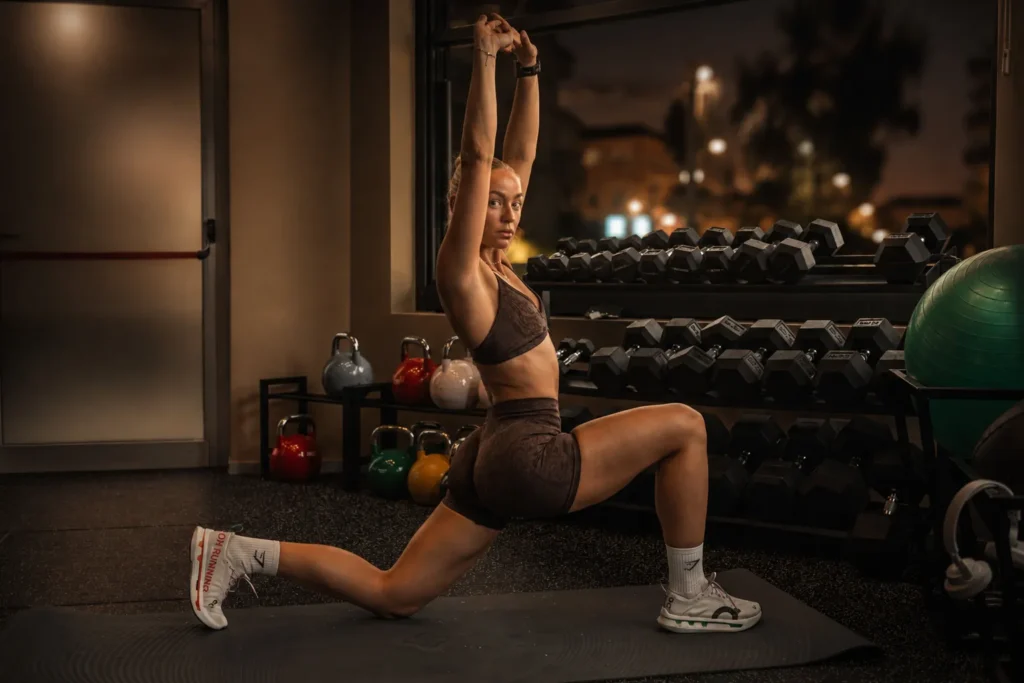
Functional Fitness Larnaca brings strength training closer to movements people recognise outside the gym. Therefore, the goal is not simply lifting heavier weights or completing complicated circuits. Instead, training can develop strength, balance, coordination, and confidence through practical movement patterns. Moreover, everyday tasks often involve several joints and muscle groups working together. For example, carrying shopping bags, climbing stairs, and lifting objects provide familiar examples. However, useful training still needs proper technique, sensible progression, and recovery. The strongest programme connects each exercise to a clear purpose.
Functional Fitness Larnaca: Strength With a Practical Purpose
At My Fitness Space, members can combine resistance work, conditioning, and functional movement within one focused environment. Moreover, the gym operates inside Rise Urban Art Hotel in central Larnaca, Cyprus. Therefore, a session can fit around work, errands, or other daily commitments. In addition, the space includes strength equipment and a dedicated functional training turf. Consequently, exercises can move from controlled lifts to carries or sled work without changing facilities. Variety matters most when every exercise serves the training goal.
Functional fitness describes training that develops physical qualities useful across different movements and activities. For example, standing up, reaching, pushing, and lifting all require combinations of strength and control. Therefore, workouts can include several movement patterns rather than relying only on isolated exercises. However, an exercise does not become functional simply because it looks unusual. For instance, a basic squat or loaded carry may already provide a practical challenge. Instead, appropriate movement, resistance, and progression determine whether an exercise supports meaningful improvement.
In addition, functional fitness does not replace every other training method. For example, traditional resistance exercises can build strength that supports more complex movements. Likewise, cardio equipment can develop endurance needed for longer periods of activity. Therefore, the strongest approach may combine fundamental lifting with movement-based exercises. Moreover, goals should guide the balance between them. Someone building general strength may train differently from someone preparing for a sport. Ultimately, real-world strength grows through consistent, progressively challenging work, not constant exercise novelty.
Functional Fitness Larnaca: Squat, Hinge, Push and Pull
Squatting builds strength through the hips, knees, and legs. Therefore, it relates to movements such as rising from a chair or climbing stairs. For example, a goblet squat offers a manageable starting point for learning depth and control. Moreover, split squats and step-ups add challenges involving one leg at a time. However, no single squat variation suits everyone equally. Instead, choose a range and resistance that support steady technique. As control improves, progressive loading can make these familiar movements more demanding.
Hinging teaches the hips to move backward while the trunk stays controlled. Therefore, Romanian deadlifts and kettlebell deadlifts can strengthen the glutes, hamstrings, and back muscles. Moreover, this pattern resembles bending to lift objects from a lower position. However, good technique matters more than copying a daily task exactly. Likewise, upper-body pushing and pulling develop strength for moving objects and controlling resistance. For example, rows, presses, and cable exercises offer several options. Consequently, one programme can address lower-body strength and upper-body capability together.
Meanwhile, training should also include movement in different directions. For example, lateral lunges challenge the legs beyond straightforward forward movement. Similarly, step-ups and single-leg Romanian deadlifts add balance demands. Therefore, these exercises can complement conventional squats and hinges. However, coordination often limits performance before strength does. Instead, start with manageable positions and increase difficulty gradually. Moreover, stability improves through repeated practice rather than rushed repetitions. A simple selection of well-performed patterns can create a strong foundation for broader movement.
Combine Strength, Power and Conditioning With Intention
Strength and power share some exercises, but they describe different training qualities. Strength focuses on producing force against resistance. Meanwhile, power adds the ability to produce force quickly. Therefore, a controlled kettlebell deadlift may precede learning a faster kettlebell swing. However, explosive movements demand sound technique and suitable loads. Moreover, not every session needs power training. Beginners can build an excellent foundation through slower, deliberate resistance exercises. Progress should follow skill and readiness, not the desire for increasingly difficult movements.
Moreover, conditioning adds another useful layer to functional fitness. For example, rowing, cycling, sled pushes, and timed carries can challenge cardiovascular fitness. Therefore, sessions can combine full-body effort with planned work and recovery periods. However, turning every strength exercise into a race can reduce movement quality. Instead, separate demanding lifting from faster conditioning when appropriate. Moreover, interval duration should match the training goal. As a result, strength work stays purposeful while conditioning develops fitness without taking over the entire programme.
In practice, a simple session can combine these qualities without excessive exercise selection. First, prepare with a short warm-up involving easy cardio and relevant movements. Next, complete squats, hinges, and rows with controlled repetitions. Then, add a carry or sled push for whole-body work. Finally, finish with manageable conditioning intervals if energy and time allow. Therefore, the session moves from strength toward broader physical effort. Moreover, exercises can change across weeks while the overall structure remains familiar. Simple programming often makes progress easier to track.
Make Everyday Movement Part of Life in Larnaca
Ultimately, functional fitness works best as part of an active weekly routine. Therefore, gym sessions can complement walking, cycling, and other everyday movement. In Larnaca, the official Visit Cyprus walking tour highlights routes through the city centre and Foinikoudes promenade. Moreover, walking offers an approachable way to spend time moving outside formal workouts. However, walking does not replace the strength challenges of loaded resistance work. Instead, different activities can support different parts of physical fitness.
The World Health Organization physical activity guidance recommends muscle-strengthening activities for adults on at least two days weekly. Moreover, it encourages regular aerobic activity across the week. Therefore, a balanced routine can include strength sessions alongside other forms of movement. However, the right starting point depends on fitness, experience, and individual circumstances. Consequently, a manageable programme is often more useful than an unrealistic schedule. Over time, gradually increasing work can help maintain training consistency.
Ultimately, Functional Fitness Larnaca is about building useful strength through deliberate, repeatable movement. Squats, hinges, carries, pushes, pulls, and controlled rotations each offer different challenges. Moreover, combining them with conditioning can create a rounded training routine. However, improvement depends on preparation, technique, and consistent progression rather than exercise variety alone. At My Fitness Space, these movements fit naturally within a focused strength and functional training environment.
Ready to move with more purpose?
Book a session at My Fitness Space in Larnaca and put practical training to work.
Check also our blog post:
Single Sessions, Daily and Weekly Passes are available.
Less Crowded. More Focused.